Stackable Chairs or Folding Chairs for Flexible Outdoor Dining Spaces
Flexible outdoor dining spaces ask more from seating than a fixed dining set does. A patio may host quiet breakfasts one day, a crowded dinner the next, and a poolside gathering on the weekend. The chairs need to look right, sit comfortably, and move without turning every setup into a puzzle. Two common options come up again and again: stackable chairs and folding chairs. Both can solve storage and layout problems, but they suit different routines.
The choice is less about which style is universally better and more about how the space is used. Think about who moves the chairs, where they go when not in use, how often they are set out, and what kind of surface they sit on. Resin outdoor furniture adds another useful angle, since resin material is often chosen for outdoor settings where weight, moisture, and regular cleaning matter.
How stackable chairs work in an outdoor dining layout
Stackable chairs are built to sit one inside or on top of another in a neat vertical group. The frames and seats are shaped so each chair can rest securely on the next without taking up the full footprint of a separate chair. In a patio layout, that changes what is possible. A set can stay close to the dining table during use, then be gathered into a small zone near a wall, shed, or covered storage area.
This style tends to suit spaces where chairs are moved often but not completely reorganised. A restaurant patio, a shared garden dining area, or a large home patio can benefit from seating that comes out in a predictable order. Stackable chairs also tend to feel more like permanent outdoor dining chairs when they are set around a table. Their shape usually follows the lines of dining furniture, with a defined back, seat, and arm arrangement that reads as part of the setting rather than temporary seating.
Comfort varies by design, as it does with any chair. A stackable resin chair can have a shaped seat and back that supports a relaxed meal, though stacking needs usually keep the profile fairly simple. Cushions may not be practical unless the chair is designed for them. For long dinners, seat comfort deserves careful attention, especially if guests will sit for more than a short meal.
Stacking also asks for a little discipline. Chairs should be lined up properly, not forced at odd angles. If they are dropped or twisted together, legs and backs can catch, scuff, or deform. A clean, dry stack is easier to manage than chairs full of grit or leaves. This is one reason many people pair stackable seating with regular wiping and a storage spot that keeps the stack steady.
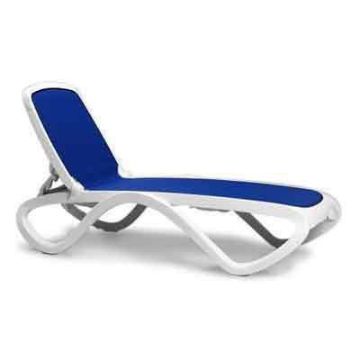
Where folding chairs fit better
Folding chairs solve a different problem. Instead of reducing the height of stored seating, they reduce the depth. The legs and frame collapse toward the seat, making each chair slim enough to slide into a narrow gap, closet, garage shelf, or storage box. They are useful where there is no good place for a tall stack, or where seating needs to appear only for occasional events.
A folding chair can be a practical match for a flexible outdoor space that changes shape. Maybe the dining table is moved aside for games, or the patio becomes a poolside lounge area. Chairs that fold flat can be distributed in small groups, taken out only when needed, and tucked away afterward. This makes them appealing for spaces with multiple uses and limited permanent storage.
The trade-off is that folding chairs often feel more casual. Some have a lightweight feel and a less formal silhouette, which may be fine for a barbecue, a classroom courtyard, or a community space. For a dining area designed around resin table tops and matching seating, they can look less cohesive unless the design is chosen carefully. The best results come from matching proportions, colour, and finish to the rest of the setting.
Setup is also different. Folding chairs take a moment each, while a stack can be placed around a table quickly as a group. If the same chairs are brought out several times a week, that small difference adds up. If they come out a few times a season, folding storage may matter more than speed.
Comparing storage, movement, and daily use
Storage is the clearest dividing line. Stackable chairs need vertical clearance and a stable place where the stack will not tip. Folding chairs need shallow space and can fit where a stack cannot. Neither option is automatically tidier. A careless stack can lean and clutter a corner, while folded chairs can disappear into a pile that is hard to sort.
Movement matters too. Stackable chairs are usually carried one at a time, then set down in position. Some users move a whole stack only a short distance, if the chairs nest securely. Folding chairs are light to carry individually and simple to pass from one person to another. For older users or anyone with limited grip strength, the opening and closing action of a folding chair can be more awkward than lifting a stackable chair by the back.
Daily dining spaces tend to favour stackable chairs because they stay ready. The chairs can be left around the table or stacked nearby without looking like temporary equipment. Occasional event spaces tend to favour folding chairs because the seating can vanish when the event ends. A commercial patio may lean toward stackable seating for speed, while a multiuse garden room or covered terrace may lean toward folding seating for compact storage.
When choosing outdoor dining chairs, compare the real route from storage to table. A narrow gate, a step, a pool fence, or a corner with planters can make a chair feel harder to handle than its weight suggests. Check chair dimensions against the space available, including the width of the dining table and the gap needed for someone to sit comfortably. A chair that stores well but crowds the table will still feel like a poor fit.
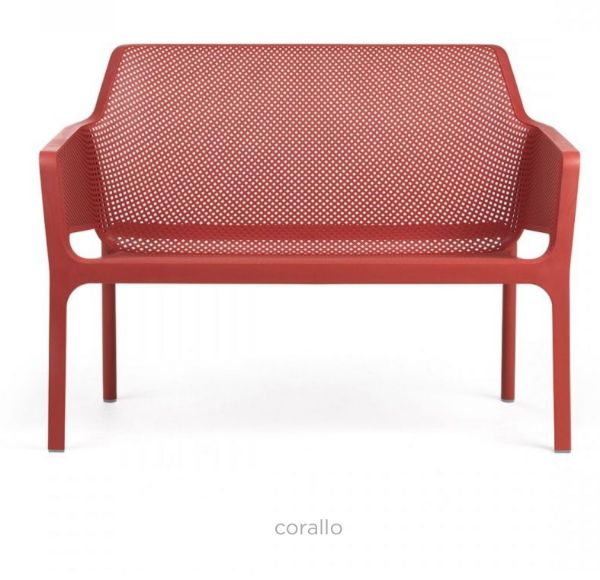
Resin seating and weather exposure
Resin material is a practical choice for many outdoor settings because it can be wiped clean, used around pools, and left in covered outdoor areas with less fuss than some natural materials. It also allows for moulded shapes, which can improve comfort without adding loose parts. For buyers looking at Nardi and other resin outdoor furniture, the comparison between stackable and folding designs still comes down to the shape and mechanism of the chair.
A stackable resin chair has fewer moving parts than many folding designs. That can make it appealing where chairs are exposed to sand, pool splashes, or garden debris. A folding chair has hinges and joints that need to stay clean and move smoothly. Grit in the wrong place can make folding stiff or uneven. Regular rinsing and drying help either style, but folded mechanisms deserve a closer look before storage.
Weather resistance is not only about rain. Sun exposure, temperature changes, and damp shade all affect outdoor seating over time. Position chairs so air can move around them when wet, and avoid trapping moisture between nested seats. Folding chairs should be fully dry before they close, since damp surfaces pressed together can stay wet for hours. Stackable chairs should be dry before stacking for the same reason.
Browsing outdoor-resin-furniture.com can help frame the range of shapes used in resin seating, from dining-height chairs to pieces suited to patios, dining areas, pools, gardens, and commercial spaces. The useful question is not whether a chair looks good in isolation, but whether its form suits the way the space changes during the day.
Comfort, table height, and visual fit
Chairs that store neatly can still be uncomfortable if the seat angle, back shape, or arm placement is wrong. Dining chairs need to work with table height, not just stand beside it. A seat that is too low can make the table feel high, while a seat that is too high can leave little room for elbows. Armrests should slide under the table edge where possible, especially in tight patio layouts.
Stackable chairs often hold a more upright dining posture, which suits meals and conversation. Folding chairs vary widely, from upright event seating to relaxed low seats that suit lounging better than dining. If the chairs will be used mainly at a table, look for a stable seat and a back that supports the lower and upper back without pushing the sitter forward.
Visual fit matters in outdoor dining because the chairs are seen from every angle. A matched set can make a small patio feel calmer. Mixed seating can work well in a casual garden, but too many shapes can make the table area look unsettled. Resin furniture often comes in coordinated tones, so choosing a consistent colour or finish can tie stackable or folding chairs to the table and surrounding pieces.
In commercial spaces, appearance and practicality sit side by side. Chairs need to present a tidy dining area while being easy to clear and reset. Stackable seating often supports that rhythm. In shared residential spaces, the balance may tip toward folding chairs when the furniture must serve dining, hobbies, and guests in the same afternoon.
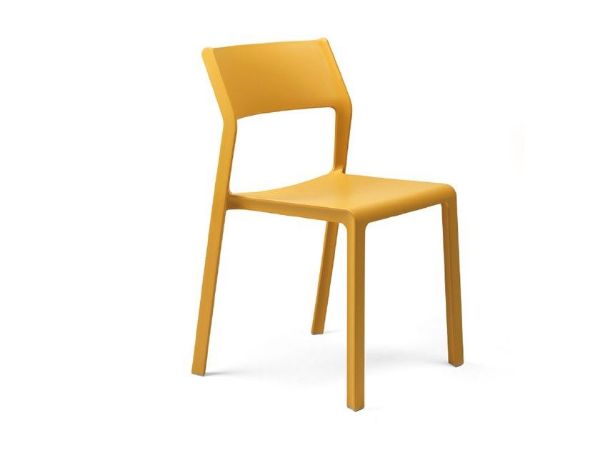
Maintenance needs over time
Maintenance needs are usually modest, but they are not identical. Stackable chairs collect dirt on seat surfaces and in the gaps where chairs nest. A quick wipe before stacking prevents grit from being pressed into the finish. Folding chairs collect dirt around joints and hinges, where it can interfere with smooth opening. A soft brush or cloth works well in these areas.
Both styles benefit from a dry storage spot when possible. Covered storage is not the same as sealed storage, and outdoor furniture still needs airflow. Chairs left under a cover should be dry first. If a chair has a cracked joint, sharp edge, or unstable leg, it should be taken out of use rather than repaired with a quick fix that could fail during a meal.
The longer view is simple. Choose stackable chairs when the space is mainly a dining area and chairs need a neat, repeatable place to go. Choose folding chairs when the space changes often, storage is shallow, and occasional seating matters more than a permanent dining look. For many patios, the better option is the one that people can put away without hesitation, because furniture that is easy to handle gets used more often.
outdoor-resin-furniture.com sits in the resin outdoor furniture space, where patios, dining areas, pools, gardens, and commercial settings all shape the seating decision. Whether the final choice is stackable or folding, the right chair should make the outdoor space easier to use, not harder to manage.